

Through the intriguing medium of animal communication, we can gain a deeper understanding of the needs, feelings, and thoughts of animals. Building a soul-level connection where animals feel heard, respected, and loved is more important than teaching them commands and behavioural cues. Pets, wild animals, and even deceased people can express their emotions through animal communication, whether it be through body language, intuition, or telepathic exchange. In addition to addressing behavioural problems, this practice can enhance wellbeing, build trust, and promote interspecies harmony.
Humans and animals have lived together for centuries, but we frequently ignore the insightful discussions taking place in front of us. Beyond simple curiosity, an understanding of animal communication is essential for stronger relationships, compassionate treatment, and a revitalized appreciation of nature.
Understanding the silent language of animals is not only magical, but also necessary in a world where they play such a significant role in our lives.
The exchange of information between animals (including humans) via body language, vocalizations, chemical signals, visual cues, or even energetic connections is referred to as animal communication. It includes wild animals, birds, marine life, and even tiny insects; it is not just for pets.
Every living thing has a means of communicating needs, warnings, emotions, and intentions, from the dance of a bee indicating nectar to the rumble of an elephant that reverberates for miles underground.

1. Body Language: Communicating Without Using Words
Body language is a universal way to communicate. Small changes in ear positions, tail motions, or posture can make a big impact.
– Dogs’ tail wags vary according to their mood: slow and low for uncertainty, fast and high for excitement.
– Cats use tail flicks to express annoyance and slow blinking to express satisfaction.
– Horses use their ear positions and tense muscles to express concentration or anxiety.
2. Vocalizations: Animal Kingdom Music
In the animal kingdom, sounds are among the most varied forms of communication. They are able to communicate joy, warn, entice mates, and lead group movements.
– Birds use song to court potential mates and mark their territory.
– Dolphins have names based on their signature whistles.
– Elephants emit low-frequency rumbles that can be heard for miles by other elephants.
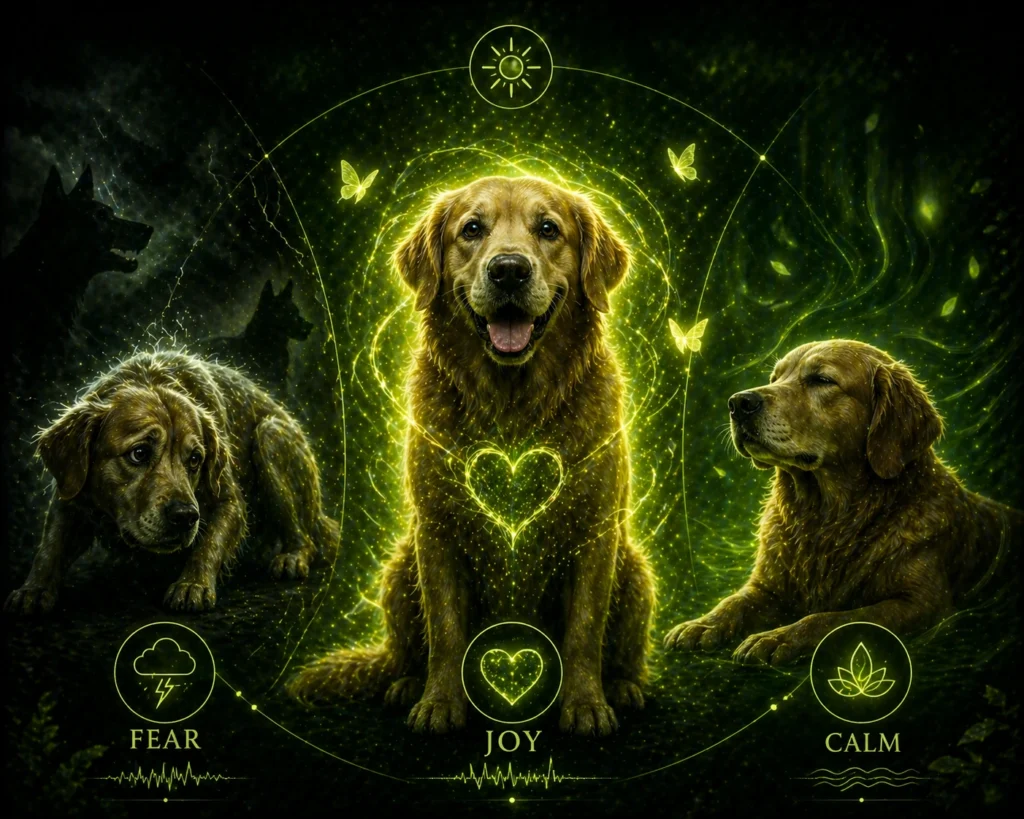
– Pay Attention Without Interrupting Them Silently observe their actions and demeanour in various contexts.
– Discover Their Sounds: Take note of changes in timing, volume, and pitch.
– Respect Their Space: Not every animal wants to interact constantly.
– Maintain a Behaviour Journal: Note trends to identify reoccurring indicators.
– It takes time to develop mutual understanding, so be persistent and patient.

– It is only a guess: Actually, it’s a combination of learned interpretation, empathy, and observation.
– Only Experts Can Do It: With patience, anyone can learn the skill.
– All Animals Communicate in the Same Way: Every species has its own patterns, and even individuals within a species have their own.
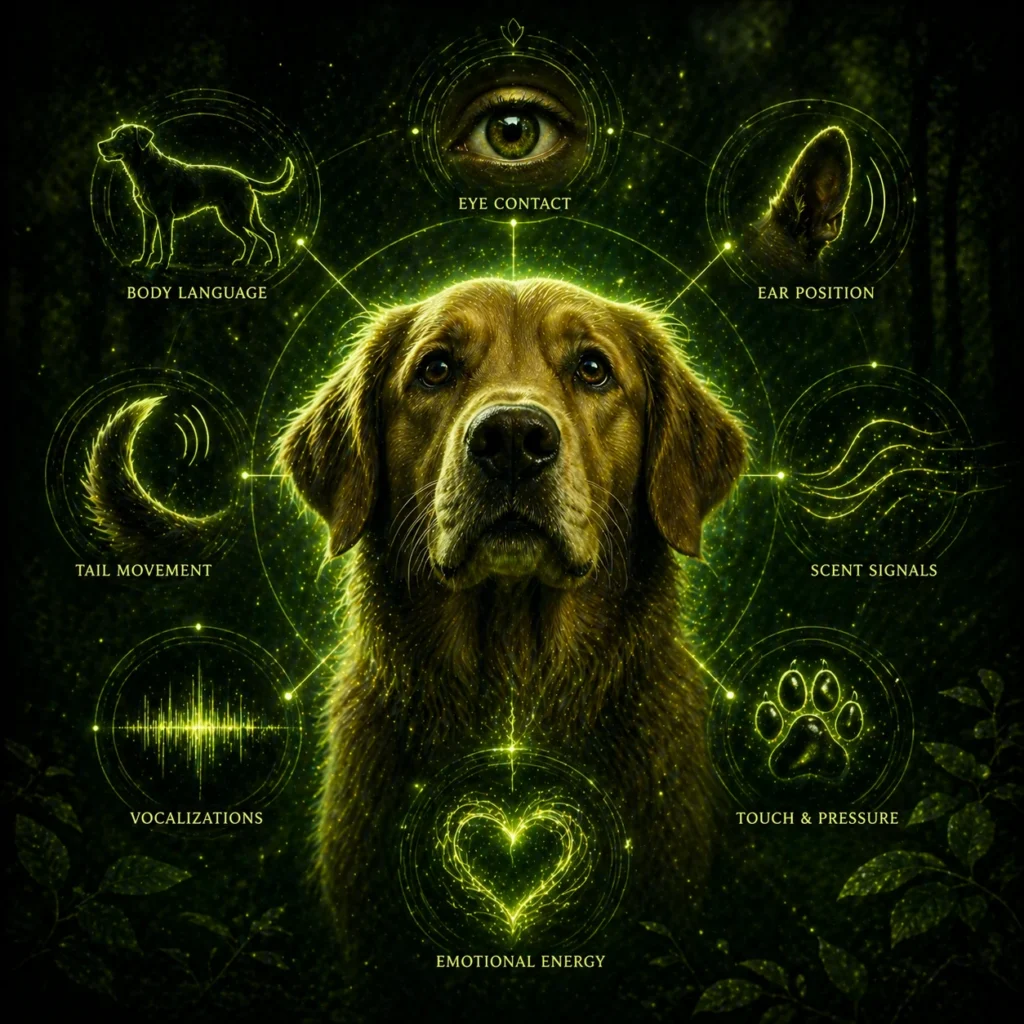
Animal communication is a skill, a decision, and most importantly, a connection; it is not a gift that is only given to a select few. Animals have always been speaking; we have just not always been able to hear them, as we come to understand the more, we listen.
We are invited to participate in the universal conversation that is embodied in every bark, chirp, tail flick, and steady gaze. We learn patience, empathy, and coexistence in addition to animals when we enter this common language.
Therefore, take a moment to stop the next time you are playing with your pet, strolling through a garden, or watching a bird fly overhead. The world is talking. You just need to pay attention.