
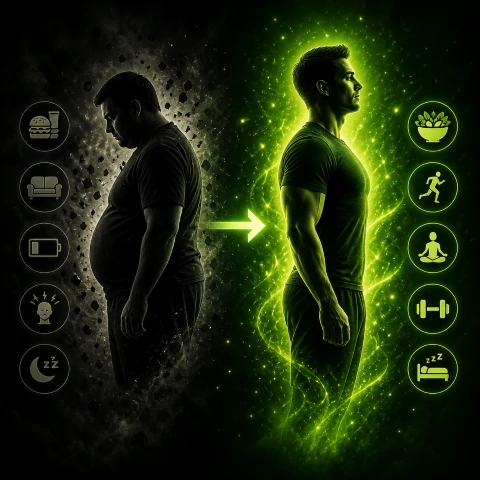
Having trouble keeping up a healthy lifestyle or losing weight? You are not failing, and you are not alone. Losing weight involves more than just burning calories and working out. It is a comprehensive journey that incorporates sleep, mental clarity, physical activity, nutrition, and emotional health.
Whether your goal is to maintain your ideal weight, gain lean muscle, or lose a few pounds, the key is to understand your body’s specific needs and make long-term lifestyle changes rather than short-term ones. You can change the way you relate to your body and food with our professional advice, scientifically supported strategies, and encouraging demeanour.
– No crash diets
– No intense exercise
– Just long-term success, customized plans, and balanced living
You deserve to feel your best every single day, so begin your path to improved health today and feel empowered, invigorated, and in charge!
It is common to misunderstand weight management. For many, it turns into a never-ending cycle of guilt, frustration, and dieting. However, weight management is about controlling your weight in a way that promotes long-term health, self-esteem, and wellbeing rather than about losing weight.
It is a dynamic process that includes addressing other important facets of your lifestyle, such as sleep, stress, and emotional habits, as well as striking a balance between your energy expenditure (activity) and intake (food).

Maintaining a healthy weight is more important for your health than your appearance. A healthy weight lowers the chance of developing a number of chronic illnesses and improves life quality.
It takes more than short-term fixes to reach and stay at a healthy weight. It all comes down to matching your daily routine with your health objectives. Let us examine the essential pillars:
1. Nutrition that is Balanced
Your body uses the food you eat as fuel to operate and flourish. A sustainable eating strategy that nourishes rather than deprives is necessary for weight management.
– Consume nutrient-dense, whole, unprocessed foods.
– Make sure your intake of healthy fats, carbohydrates, and proteins is balanced.
– Choose portion control over skipping meals.
– Drink plenty of water throughout the day.
– Limit refined carbohydrates, sugar, and highly processed snacks.
Tip: Adhere to the 80/20 rule, which states that 20% should be flexibility and 80% should be healthy choices.
2. Exercise
Exercise boosts metabolism, builds muscle, and elevates mood in addition to burning calories.
– Every week, try to get in at least 150 minutes of moderate exercise.
– Two to three times a week, incorporate strength training.
– Look for fun things to do, like dancing, walking, swimming, cycling, etc.
– Remain steady rather than erratic.
– Include exercise in your everyday routine (walks, stairs, etc.).
Tip: To stay motivated, use a fitness app or track your steps.
3. Rest & Recovery
Sleep deprivation can alter hunger and satiety-related hormones, making it more challenging to control weight.
– Every night, try to get 7 to 9 hours of good sleep.
– Establish a calming nighttime routine.
– Avoid using screens right before bed.
– Take care of sleep issues such as insomnia or apnea.
– Days of rest are necessary for recovery and maintaining metabolic equilibrium.
4. Handling Stress
Prolonged stress raises cortisol levels, which can cause emotional eating and weight gain, particularly around the abdomen.
– Engage in meditation or mindfulness.
– Try practicing deep breathing.
– Keep a journal of your feelings and thoughts.
– Make time for your interests and leisure.
– When necessary, seek professional assistance.
5. Behavioural and Emotional Wellbeing
Many people’s weight goals can be derailed by emotional eating, binge eating, or negative body image.
– Know what makes you feel a certain way.
– Avoid eating when you are stressed or bored.
– Pay attention to mindful eating techniques.
– Reframe self-defeating statements
– If necessary, think about counselling or therapy.

It is acceptable if what works for someone else does not work for you. The goal of sustainable weight management is to tailor your path based on:
– Your metabolic rate and body type
– Your way of life and daily schedule
– Your health history and objectives
– How you feel about food
– Your motivation levels and network of support
For this reason, customized programs whether for weight loss, gain, or maintenance are far more successful than fad diets or generalized trends.
Diet’s that promise quick weight loss with little work should be avoided. The majority of these:
– Limit the nutrients your body requires.
– Cause exhaustion and muscle loss
– Reduce your rate of metabolism.
– Cause weight gain to rebound.
– Damage your self-esteem and mental health
Keep in mind that sustainability is more important than speed. Losing weight is not the only objective; maintaining the weight loss while feeling healthy and strong is also important.

Here are some useful pointers to help you stay on course:
– Establish attainable, reasonable goals.
– Monitor your progress in terms of mood, energy, and fitness in addition to weight.
– Prepare more food at home.
– Eat mindfully and slowly.
– Be in the company of people who are encouraging.
– Don’t punish yourself for indulging once in a while.
– Give yourself a non-food treat, like a book or a spa day.

You just need to decide to start your weight management journey; there is no right or wrong time to do so. Give up thinking in terms of all or nothing and accept gradual, minor adjustments that work for you.
Whether you are starting over or just getting started, keep in mind that progress, no matter how slow, is progress.
You are not by yourself. Our programs and professional assistance are intended to help you reach the balance and health you deserve by providing compassionate, clear, and dedicated guidance.